
Top 5 Roof Waterproofing Methods in Dubai
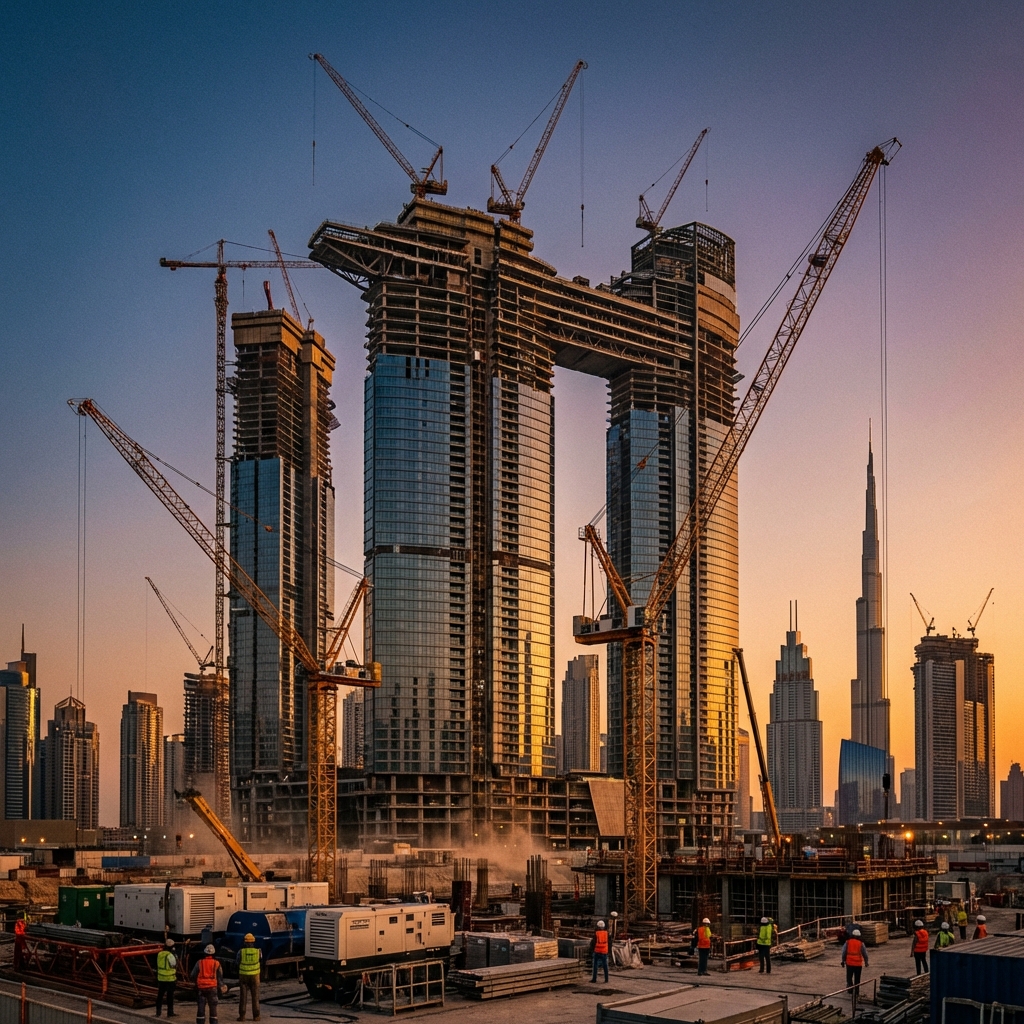
Living in Dubai means experiencing one of the harshest climates in the world. The intense summer heat, which frequently exceeds 45°C (113°F), combined with high humidity and occasional but torrential winter downpours, creates a unique set of challenges for any building structure. Consequently, selecting the correct roof waterproofing methods in Dubai is not just a matter of property maintenance; it is a critical requirement for ensuring structural integrity, energy efficiency, and indoor comfort.
A poorly waterproofed roof will inevitably succumb to thermal shock, UV degradation, and water ingress, leading to severe concrete spalling, mold growth, and compromised aesthetics. At CrestPoint Building Maintenance LLC, we have spent years mastering the science of structural protection in the Middle East. Through rigorous testing and countless successful projects, we have identified the most effective systems available today.
In this comprehensive guide, we will explore the top five roof waterproofing methods in Dubai, detailing their applications, advantages, and why they might be the perfect fit for your residential or commercial property.
1. The Combo Roof System (Thermal & Moisture Protection)
When discussing premium roof waterproofing methods in Dubai, the Combo Roof System consistently ranks at the top. Approved and highly recommended by the Dubai Municipality, this system is an all-in-one solution that provides both impeccable waterproofing and superior thermal insulation.
How It Works
The process begins with a thorough cleaning of the roof slab. A layer of high-density Polyurethane (PU) foam is directly sprayed onto the concrete. Because it is sprayed as a liquid that expands, it fills every crack and crevice, creating a completely seamless, joint-free layer. Once the PU foam cures, it is coated with a UV-resistant protective layer, followed by a geotextile fabric, and finally finished with screed or tiles.
Key Advantages
- Unmatched Insulation: The PU foam drastically reduces heat transfer, significantly lowering the burden on your AC units and cutting your DEWA bills.
- Seamless Barrier: With no joints or seams (the weakest points in traditional waterproofing), the risk of water penetration is virtually eliminated.
- Fast Application: Spray application allows for large areas to be covered quickly, minimizing disruption.
Need to install a Combo Roof? Learn more about our Roof Waterproofing services in Dubai.
2. Polyurethane (PU) Liquid Membrane Waterproofing
For complex roofs with multiple penetrations (such as HVAC units, pipes, and solar panels), liquid-applied Polyurethane (PU) membranes are an exceptional choice. This method is highly favored in Dubai for its extreme flexibility and durability.
How It Works
The PU membrane is applied in a liquid form using rollers or specialized spray equipment. As it cures, it forms a tough, highly elastic, rubber-like coating that bonds chemically to the concrete substrate. It is usually applied in multiple coats with a reinforcing fabric mesh embedded in between for added tensile strength.
Key Advantages
- High Elasticity: PU membranes can stretch significantly. When the concrete roof expands in the midday sun and contracts at night, the PU membrane stretches with it without cracking.
- UV Resilience: High-quality PU systems are formulated to withstand extreme UV radiation without chalking or degrading.
- Ideal for Refurbishment: It can often be applied over existing, sound waterproofing layers, saving the cost and mess of complete removal.
3. Modified Bitumen Membrane (Torch-Applied)
Modified Bitumen remains one of the most traditional and widely used roof waterproofing methods in Dubai. It is a robust, heavy-duty solution that has stood the test of time, particularly for flat commercial roofs and large residential terraces.
How It Works
This system utilizes rolls of bitumen that have been modified with polymers (like APP or SBS) to enhance their flexibility and temperature resistance. The rolls are rolled out across the primed roof surface, and a blowtorch is used to melt the underside of the roll, fusing it tightly to the concrete and to the overlapping adjacent rolls.
Key Advantages
- Exceptional Durability: The thickness of the membrane makes it highly resistant to mechanical damage, punctures, and light foot traffic.
- Proven Track Record: It is a tried-and-tested method with decades of successful application in the UAE.
- Cost-Effective: For very large, flat surface areas with minimal penetrations, torch-applied bitumen can be a highly economical choice.
If you are based in the capital, our team also provides expert Roof Waterproofing in Abu Dhabi using premium bitumen systems.
4. Cementitious Waterproofing
While primarily known for internal wet areas like bathrooms and basement foundations, advanced cementitious waterproofing systems are also utilized for specific roofing applications, particularly under tiles on balconies and terraces.
How It Works
Cementitious waterproofing involves mixing a powder (cement, sand, and silica) with a liquid polymer additive. The resulting slurry is applied using a stiff brush or trowel. It cures to form a rigid or semi-flexible waterproof barrier.
Key Advantages
- Ease of Application: It is relatively straightforward to mix and apply, making it suitable for smaller, confined spaces.
- Excellent Bonding: It bonds exceptionally well to concrete and masonry substrates.
- Breathability: Unlike some impermeable membranes, cementitious coatings allow trapped moisture vapor to escape from the concrete, preventing blistering.
5. EPDM Rubber Roofing Membrane
Ethylene Propylene Diene Terpolymer (EPDM) is an extremely durable synthetic rubber roofing membrane widely used in flat and low-slope buildings worldwide. While slightly less common than PU or Bitumen in residential Dubai, it is gaining immense popularity in commercial and industrial sectors.
How It Works
EPDM comes in large, wide rolls. The membrane can be fully adhered using industrial adhesives, mechanically attached, or ballasted (held down by smooth river rocks). Because the rolls are very wide, there are fewer seams compared to bitumen.
Key Advantages
- Longevity: EPDM is famously long-lasting, with many roofs functioning perfectly for over 20-30 years.
- Ozone and Weather Resistance: It is virtually immune to ozone, UV radiation, and extreme heat.
- Eco-Friendly: EPDM takes less energy to manufacture than many other roofing systems and is 100% recyclable at the end of its lifespan.
Choosing the Right Method for Your Property
Understanding the various roof waterproofing methods in Dubai is just the first step. The ultimate success of the waterproofing depends entirely on choosing the right system for your specific roof and ensuring it is applied flawlessly by certified professionals.
Factors to consider include:
- Roof Type and Slope: Flat roofs require highly ponding-resistant systems (like PU or Bitumen), while sloped roofs have more options.
- Existing Condition: A heavily damaged roof may require complete removal of old systems, while a sound roof might only need a liquid overlay.
- Foot Traffic: Will the roof be used as a terrace? If so, the waterproofing must be protected by tiles or specialized heavy-duty coatings.
- Budget and Warranty: While Combo Roof systems may have a higher initial cost, their energy savings and long warranties (up to 10 years) offer exceptional ROI.
Why Trust CrestPoint UAE?
At CrestPoint Building Maintenance LLC, we do not believe in a "one size fits all" approach. Our process begins with a meticulous diagnostic inspection of your roof using thermal imaging and moisture meters. We identify the root cause of any existing leaks and assess the structural nuances of your property before recommending the most effective waterproofing strategy.
Our teams are fully certified, adhering to the stringent guidelines set by Dubai Municipality and international ISO standards. When you choose CrestPoint, you are choosing uncompromising quality, transparent pricing, and absolute peace of mind.
Ready to Protect Your Roof?
Don't wait for the next rainstorm to expose vulnerabilities in your roof. Contact our engineering team today for a free, no-obligation inspection and consultation.
Request an Inspection